
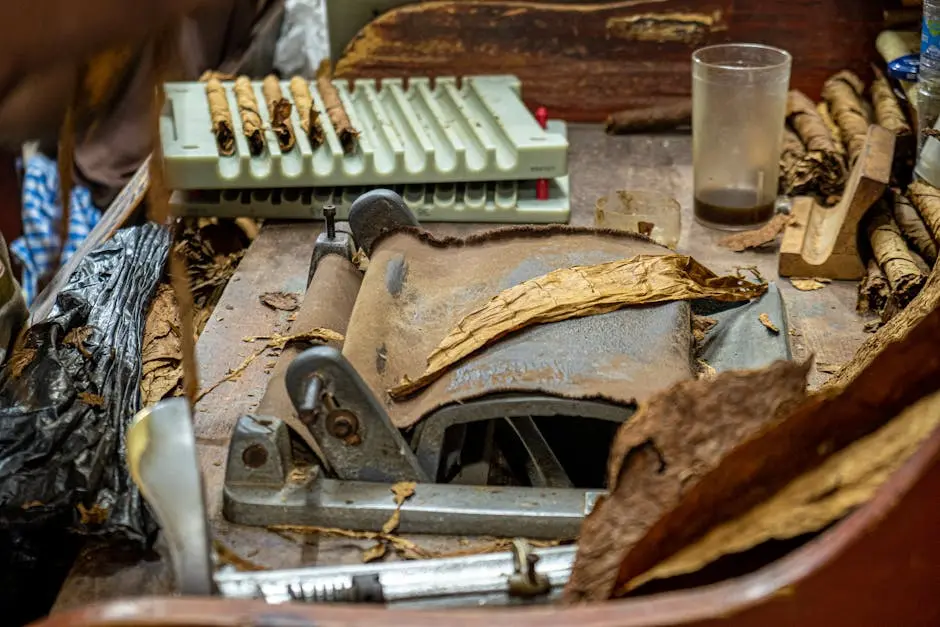
7 Tips for Using Rolling Machines Effectively
Rolling machines can be a game changer for your crafting projects, but using them effectively requires some know-how. Whether you’re a beginner or looking to enhance your skills, these tips will help you master the art of rolling with ease and precision.
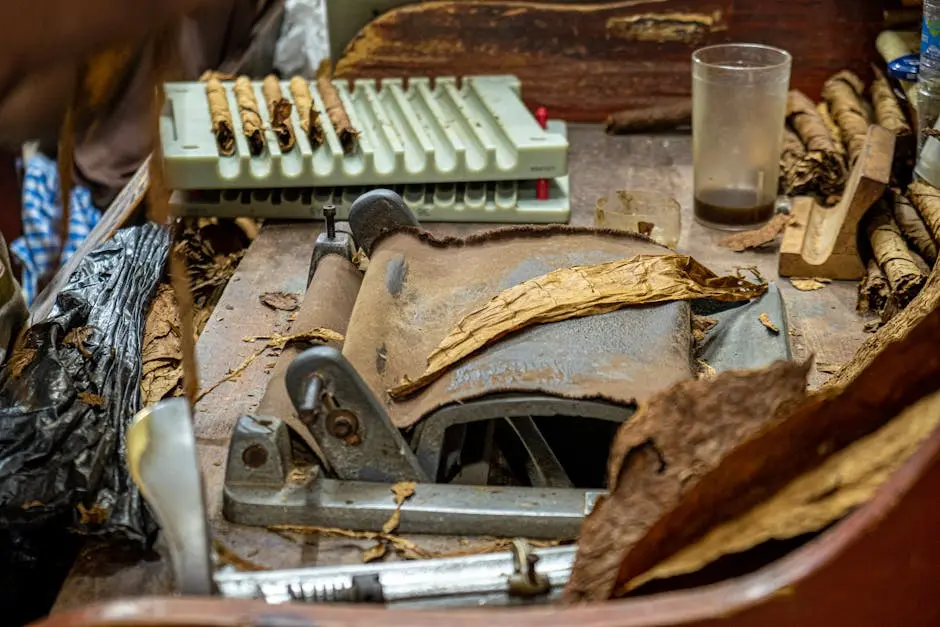
1. Choose the Right Rolling Machine for Your Needs
Not all rolling machines are created equal—some are better suited for certain types of projects. We’ll help you determine which machine is the perfect fit.
When selecting a rolling machine, consider your specific needs. Do you work mainly with paper or fabric? Are you focused on personal projects or larger-scale crafts? The right machine can make your experience smoother and more enjoyable.
For example, a simple hand-crank model may suffice for small, intimate projects, while a more sophisticated electronic machine could be your best friend for industrial-grade tasks. Thus, it’s crucial to evaluate your project types and volume before making a decision.
2. Understand the Materials You’re Working With
Knowing your materials is key to achieving the best results. We’ll discuss how different papers and substances can impact your rolling process.
Different materials behave differently with rolling machines. For instance, thicker papers may require slower speeds to roll effectively, while thinner papers may roll easily but risk tearing. Familiarizing yourself with the characteristics of various materials can lead to fewer frustrations in your projects.
Moreover, don’t hesitate to conduct tests with scrap materials before diving into your main project. This practice allows you to understand how your rolling machine interacts with the chosen material, leading to better outcomes.
3. Keep Your Machine Clean and Well-Maintained
Regular maintenance can prolong the life of your rolling machine and keep it functioning smoothly. Discover some easy cleaning tips!
A clean machine rolls better, ensuring consistent results in your projects. Make it a habit to wipe down your machine after each use. Dust and residue can accumulate quickly, especially if you work with sticky materials. Keeping everything clean not only enhances performance but also extends the longevity of your investment.
Additionally, refer to the manufacturer’s guidelines for maintenance tips. Some machines may require lubrication or specific types of cleaning materials. Following these guidelines can prevent wear and tear, helping you keep the machine in peak condition.
4. Master the Correct Techniques
Techniques can vary based on the type of rolling machine you have. Learn the best practices to enhance your rolling efficiency.
Understanding the basic techniques is crucial. For instance, if you’re using a lever-operated machine, mastering the pressure applied during the roll can make a noticeable difference in the outcome. Too much pressure might crush the material; too little won’t get the job done. Practice makes perfect, so don’t be afraid to experiment.
Moreover, watching online tutorials can be beneficial. Visual demonstrations can clarify complex techniques that are otherwise difficult to grasp from reading alone. YouTube and DIY websites are treasure troves of information that can expedite your learning journey.
5. Experiment with Different Rolling Speeds
Finding the perfect speed can make all the difference. We’ll guide you through how to adjust your speed for different outcomes.
Every rolling machine has its optimal speeds depending on the material and project at hand. Slower speeds can often provide greater control and help mitigate errors, whereas faster speeds can expedite the process, especially when you become more comfortable with your machine.
Don’t hesitate to keep a notebook of your speed settings for different materials and projects. This will not only help you remember what works best but also build your confidence as you discover the nuances of your rolling machine.
6. Use Templates for Precision
Templates can help you achieve consistent results. We’ll share some tips on how to create and use them effectively.
Templates aren’t just for beginners; they’re a secret weapon for even the most experienced crafters. By providing a clear outline or guide, templates allow for uniformity that can transform your projects. You can make your own templates tailored to your specific patterns, which can save time and ensure accuracy.
You might also find pre-made templates online tailored for many popular projects. These can not only inspire you but also save you time, enabling you to focus on the fun aspects of crafting!
7. Join a Community for Support and Tips
Connecting with fellow enthusiasts can provide encouragement and new ideas. Learn how to find and engage with a supportive community.
Being part of a community offers access to a wealth of knowledge and can greatly enhance your skills. Online forums, social media groups, and local crafting clubs are fantastic places to share your work and seek advice. You’ll find that many people are eager to help, share tips, and offer feedback.
It’s not just about skill-building; connecting with others who share your passion can also inspire you and reignite your love for crafting. Often, new friendship can emerge from a simple query or shared project, making your crafting journey even more enjoyable.